


Garza rests her face on a fence at Burrolandia Mexico donkey sanctuary while waiting for visitors to offer her carrots. Otumba, Mexico State, Mexico, 2026.
Sara Escobar / We Animals
Photographer: Sara Escobar (with additional supporting images by Mahmoud Abu Hamda, Thomas Machowicz, Jo-Anne McArthur, Evan Price, Havva Zorlu)
Videographer: Sara Escobar
Read this story in Spanish.
Dressed in an elaborate costume to compete for a grand prize at Mexico’s National Donkey Fair in Otumba, the donkey would be sent to slaughter if he didn’t win.
His loss should have been a death sentence, but Burrolandia Sanctuary owner Germán learned of the plan and took him in, giving him a new name: Campeón, Spanish for “champion.”
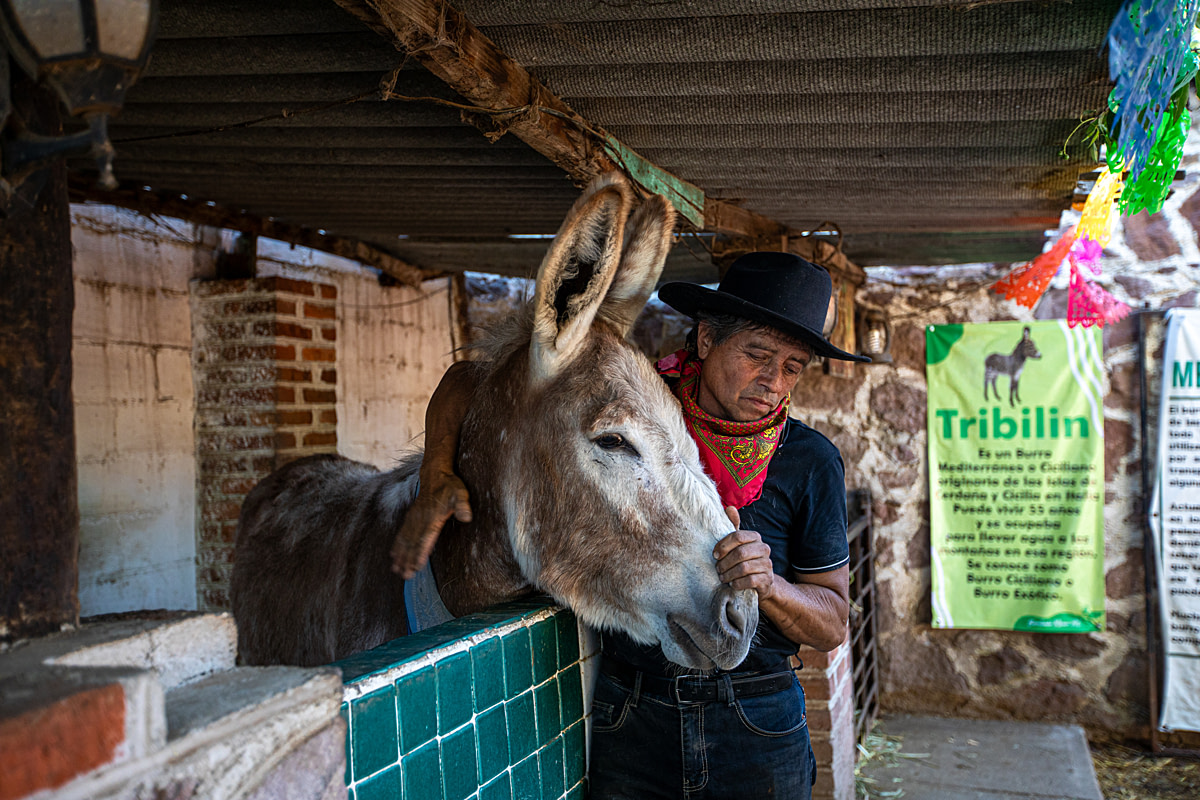
Co-founder German Flores introduces Bam Bam to visitors at Burrolandia Mexico donkey sanctuary. Bam Bam is a large breed of donkey that can reach approximately 2 m in height. Otumba, Mexico State, Mexico, 2026.
Sara Escobar / We Animals
Caught Between Local Culture and Global Demand
Relationships between local people and donkeys in Mexico are complex and have deep historical roots. During the annual National Donkey Fair (Feria Nacional del Burro), the donkey is celebrated. Outside the festival, however, donkeys are often mistreated.
Strong hooves and the ability to sustain harsh conditions with minimal food and water make donkeys remarkably resilient; these same qualities have led to their extensive use in many parts of the world for transport and carrying loads. In addition to this longstanding exploitation, they’re also killed for their byproducts.
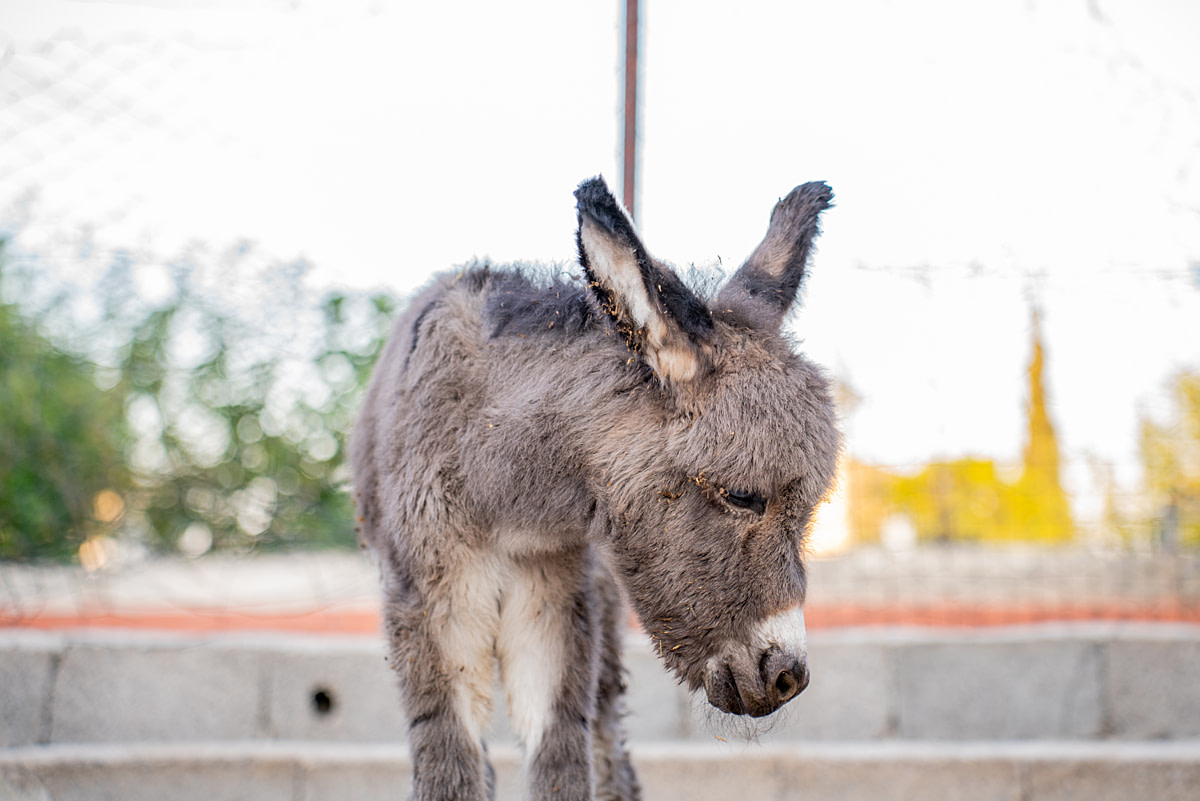

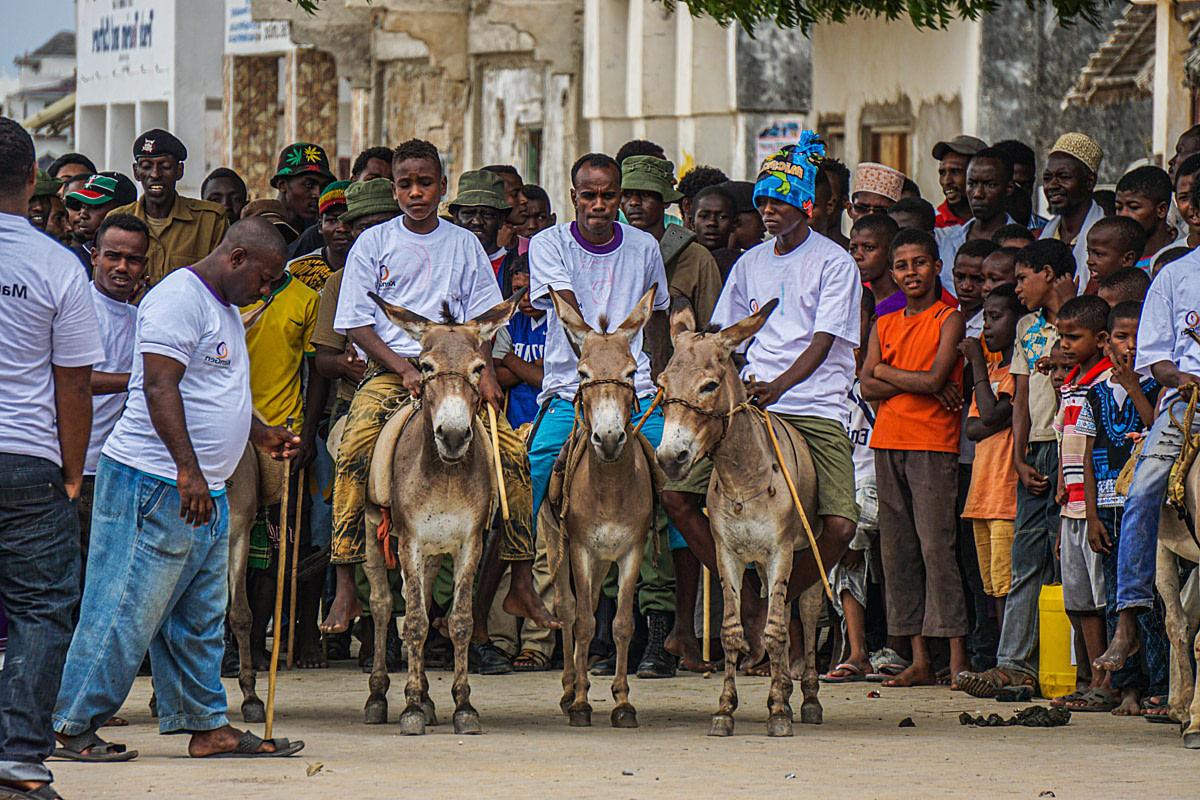
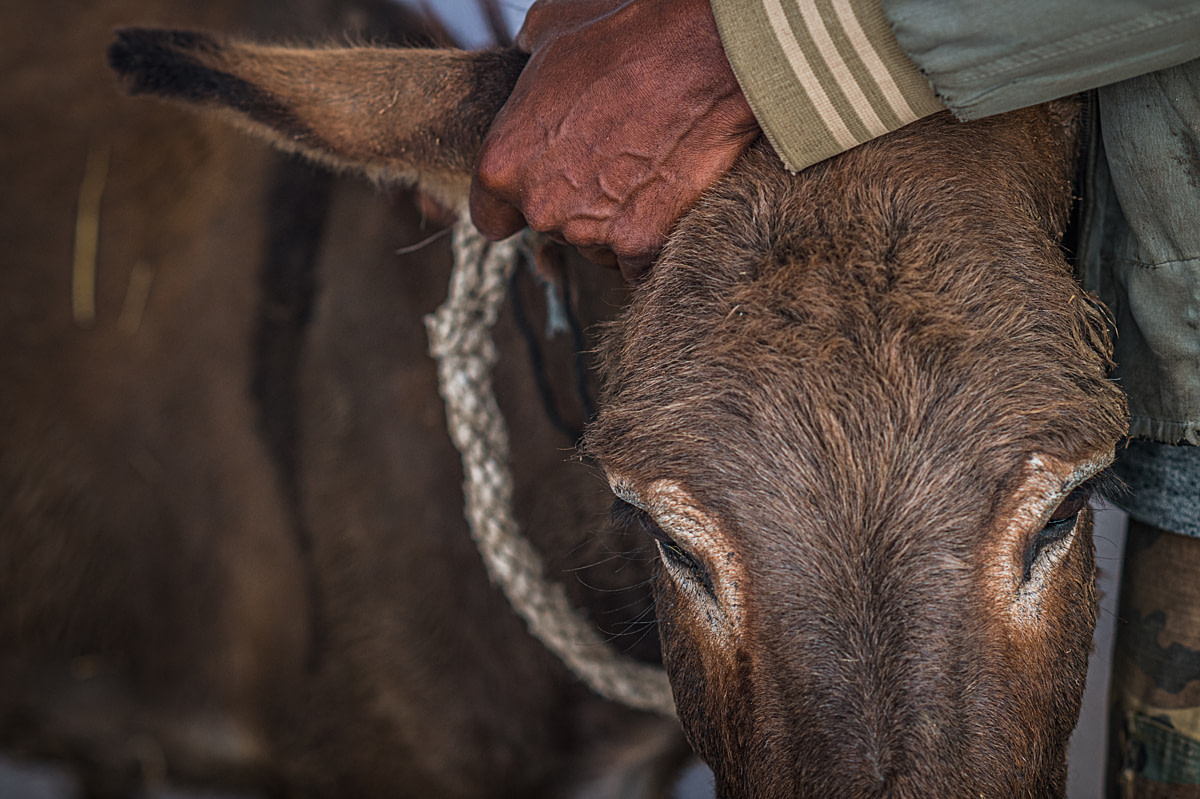

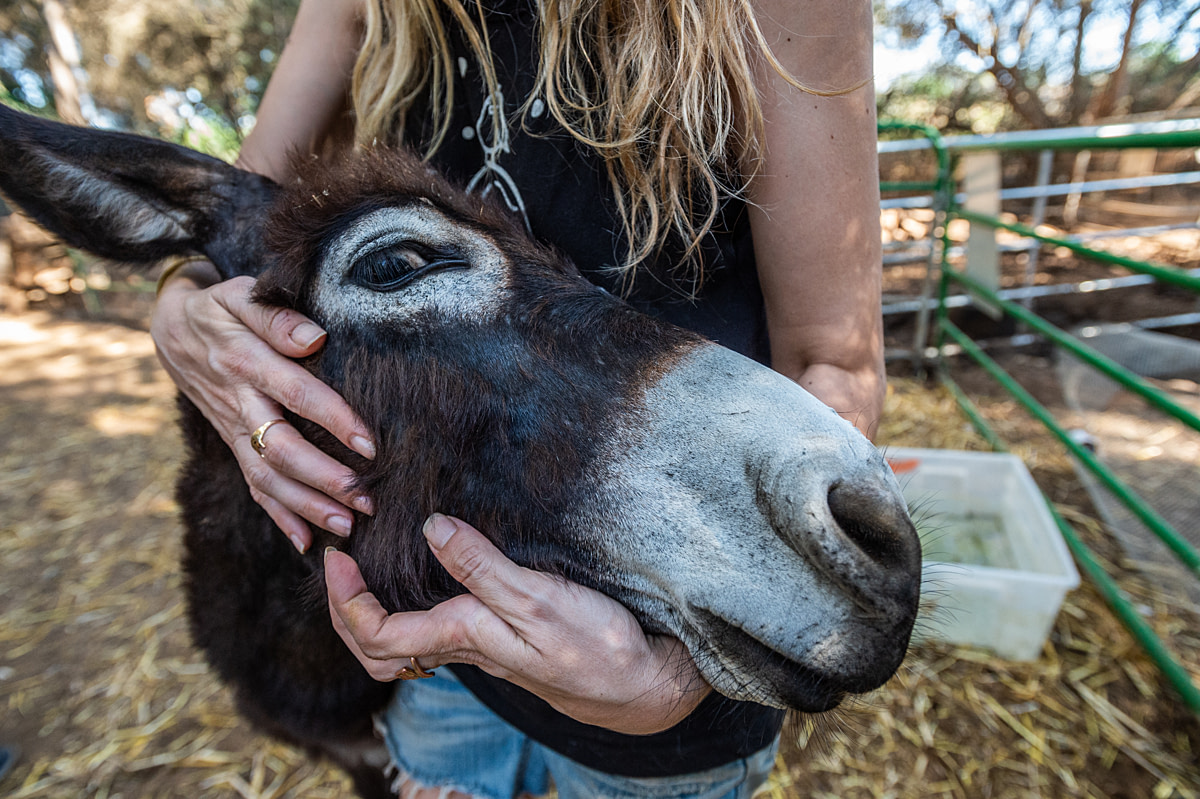
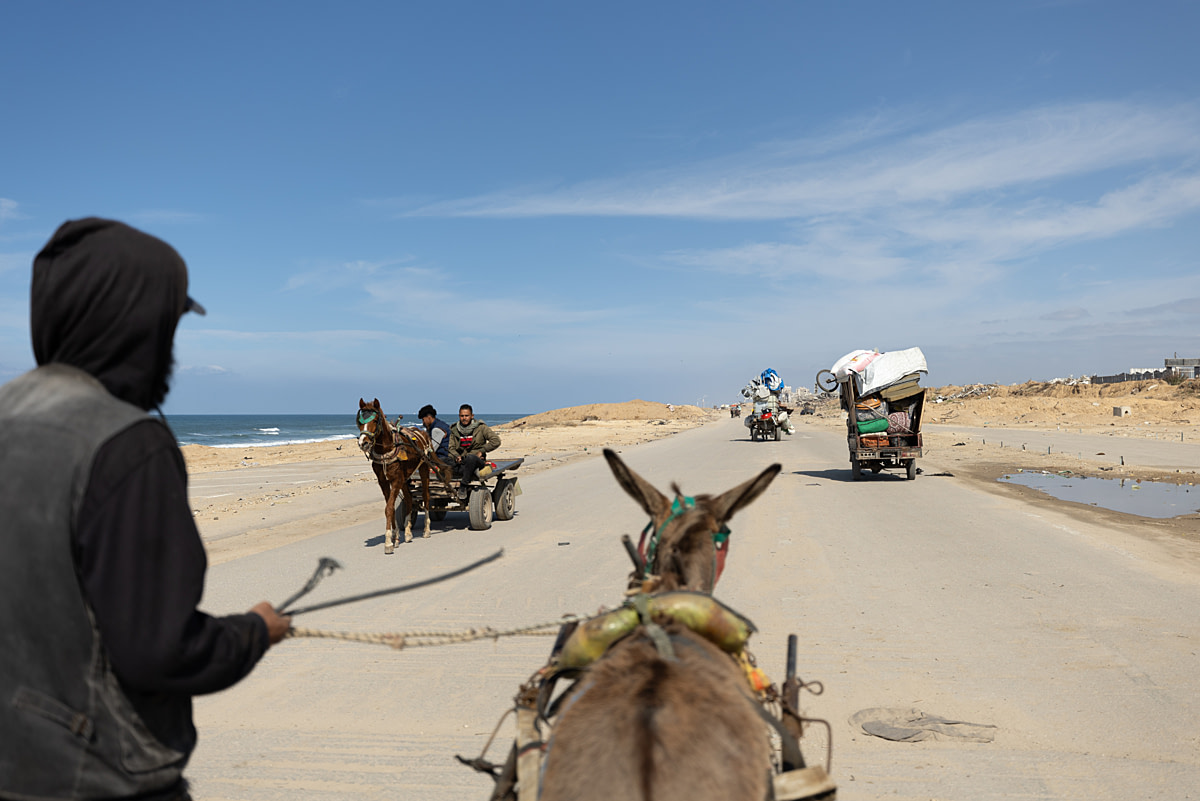
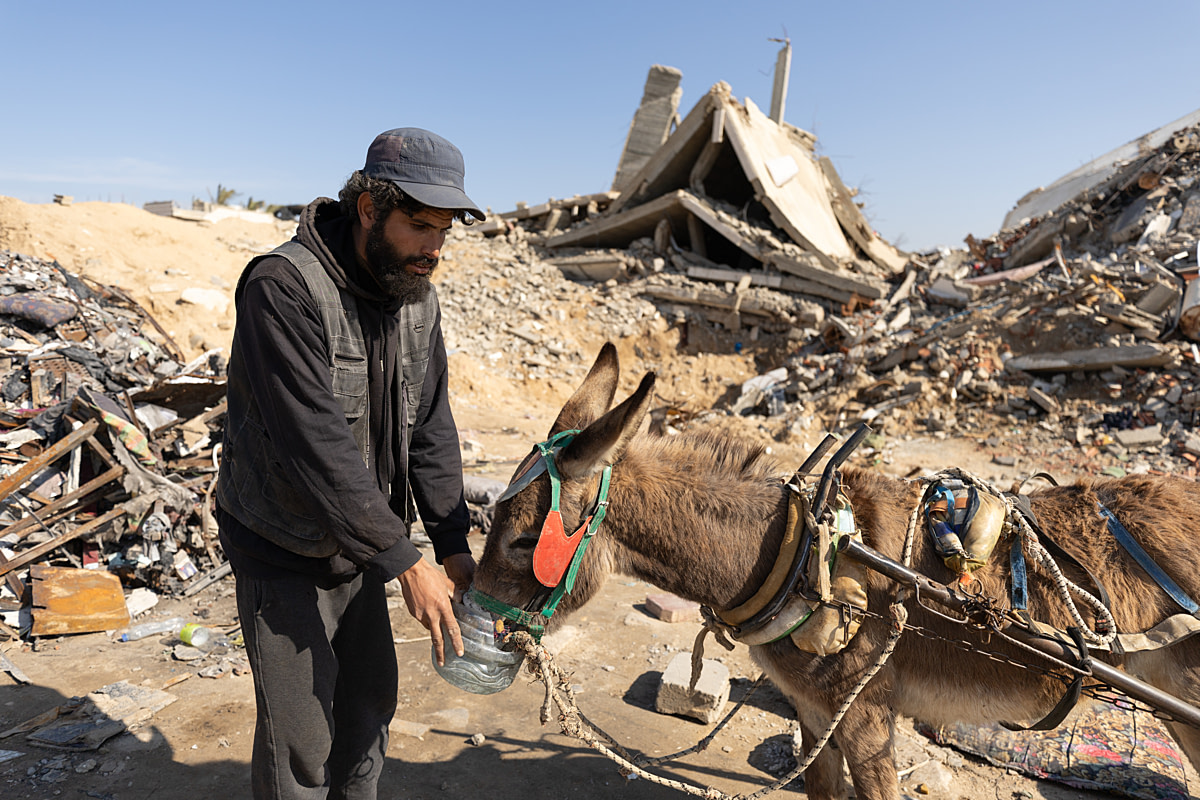
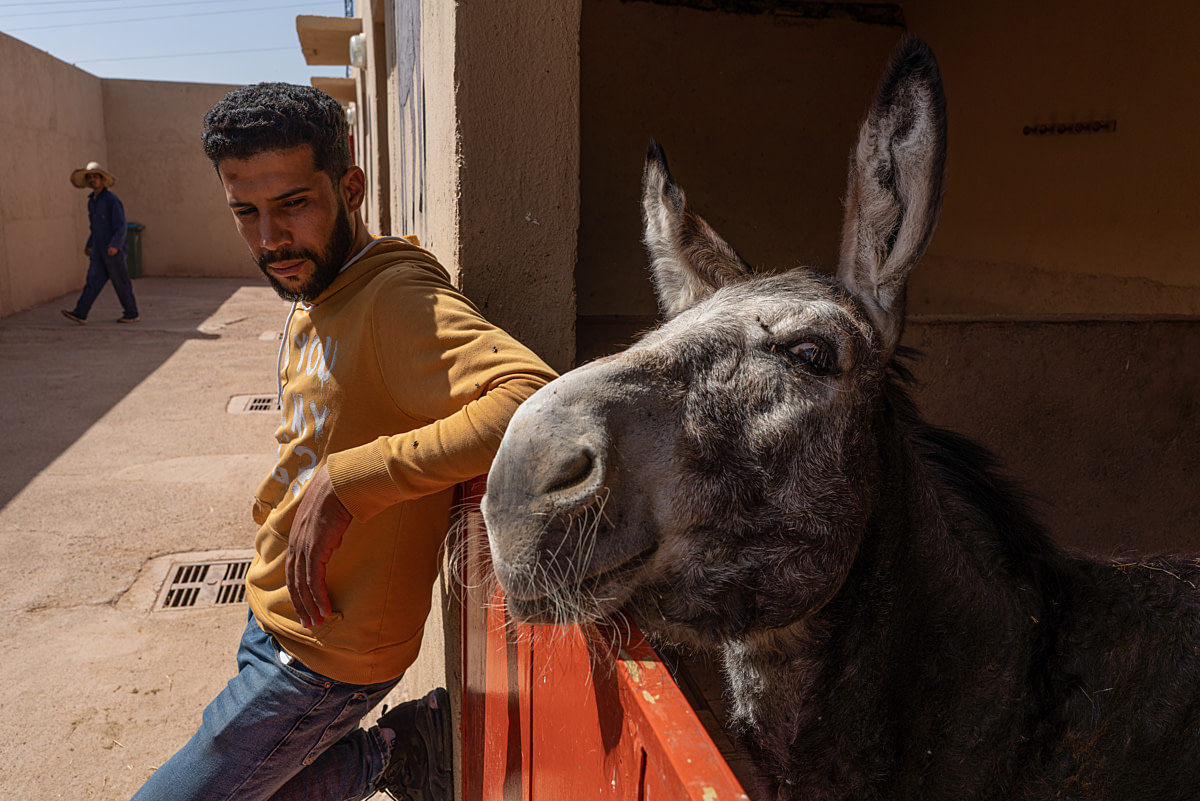
Documentation of donkey use and rescue efforts around the globe from various We Animals photojournalists.
Mexico is among the top exporters of donkey skins, which are used for ejiao, a traditional Chinese medicine product that’s marketed as a tonic for the immune system and a treatment for anemia. Once consumed mostly by the Chinese elite, demand has soared worldwide, fueling both legal and illegal trade in donkey skins from Mexico. Now, an estimated 2.3 to 4.8 million donkeys are slaughtered annually for their hides, and there is currently no consistent welfare monitoring or tracking of how skins are obtained. Additionally, donkey meat, known as chito, is sold as a street food delicacy in certain regions of Mexico.
This demand has also driven up the cost of donkeys; families who have relied on them for generations are often unable to replace them when the animals reach the end of their working lives. Some have turned to motorized vehicles; others lose their livelihoods altogether.
As Mexico’s donkeys have become an exotic global commodity, their population has significantly declined in recent decades. Mexico’s census data suggests a decline from 1.5 million animals in 1991 to 300,000 in 2020; however, the National Autonomous University of Mexico (UNAM) suggests it’s too difficult to accurately count the country’s donkey population due to the isolated locations of many of the animals.
A Different Future for Mexico’s Donkeys?
We Animals photojournalist Sara Escobar recently visited Burrolandia in Otumba, Mexico, to document the lives of those donkeys who find their way to Germán, like Campeón.
Burrolandia is leading the way for Mexico’s donkeys by rescuing individuals, providing sanctuary, and offering educational programs that help break the stigma surrounding these largely misunderstood animals.
Despite being intelligent and having memories that can span years, donkeys have long been stereotyped as clumsy and unintelligent. Burrolandia actively works to counter these perceptions, relying on visitor donations and sponsorships to sustain its operations and raise awareness about the species.

Victoria, Elsita and Gilbertito greet co-founder Raul Flores at Burrolandia Mexico donkey sanctuary while he searches for donkey Lluvia to give her a bath. Otumba, Mexico State, Mexico, 2026.
Sara Escobar / We Animals

Visitor Isabella feeds Tutu at Burrolandia Mexico donkey sanctuary. The donkeys will bray at passing visitors in the hopes of receiving a treat. Otumba, Mexico State, Mexico, 2026.
Sara Escobar / We Animals
Co-founded in 2006 with his son Raúl, Germán and his family have centered their lives around the 100+ donkeys in their care. Many of the donkeys at the sanctuary have been rescued from abuse, abandonment, and slaughter.
The seed for Burrolandia was planted years ago through Germán’s friendship with Roberto, a donkey he worked alongside to deliver groceries to the community, helping his family survive and pay for his education.
“The time has come to give them back a little of how much they have given us.” — Germán Flores, co-founder, Burrolandia

Co-founder German Flores carries a foal at Burrolandia Mexico donkey sanctuary. According to the photojournalist, newborns are not always named immediately, as the sanctuary sometimes invites visitors to suggest names for them. Otumba, Mexico State, Mexico, 2026.
Sara Escobar / We Animals
So far this year, nine pollinos (baby donkeys) have been born at the sanctuary, with five more expected. For a sanctuary dedicated to protecting Mexico’s donkeys, each pollino is celebrated.
“It had a deep impact on me to realize that even baby donkeys are born with instincts to defend themselves because they have been such a mistreated species. When they are born here at the shelter, they understand really fast that they shouldn’t be scared, unlike the rescued donkeys who are usually kind but cautious.” — Sara Escobar, photojournalist
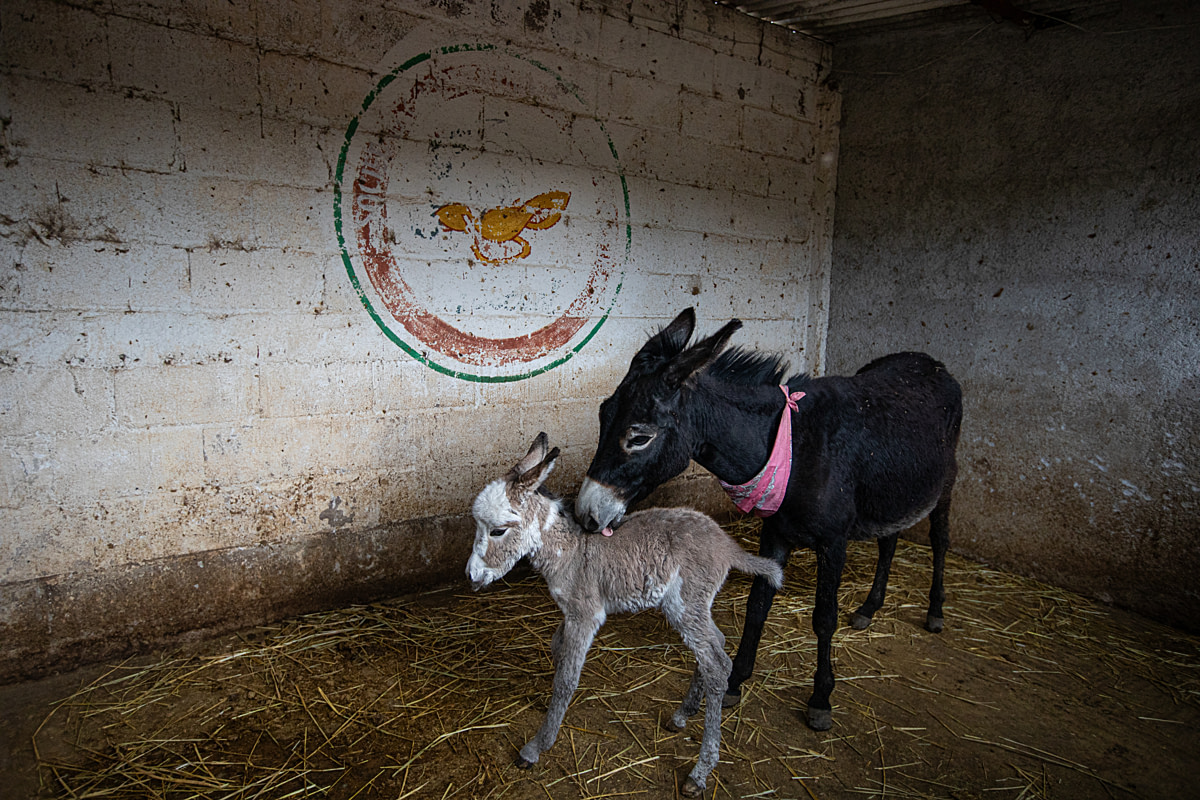
Quetzalli tends to her newborn filly on her first day of life at Burrolandia Mexico donkey sanctuary. Otumba, Mexico State, Mexico, 2026.
Sara Escobar / We Animals

Siblings Blanca Nieves, a jenny, and Pipe, a jack, play and nip each other in the jennies’ area at Burrolandia Mexico donkey sanctuary. Since Pipe is still young jack he lives alongside the jennies. Otumba, Mexico State, Mexico, 2026.
Sara Escobar / We Animals
Donkeys communicate through facial expressions, ear positions, and vocalizations. People who know donkeys well learn to recognize these cues, revealing an animal far more emotionally expressive and socially aware than the stereotypes suggest. Tourists who visit Burrolandia learn the donkeys’ names, personalities, and unique characteristics; each conversation and connection contributes to a cultural shift.

Visitor Cristina Cortes hugs Kyani, a young donkey who lives in the juveniles area at Burrolandia Mexico donkey sanctuary. Otumba, Mexico State, Mexico, 2026.
Sara Escobar / We Animals
When visitors learn the donkeys’ names instead of riding them, they begin to see them as individuals rather than objects of entertainment or labour. It is the same shift that saved Campeón’s life. Germán looked beyond the donkey who had lost a contest and saw someone worth protecting.
At Burrolandia, changing how people see donkeys is the first step toward changing how they treat them.
Jacks eat their morning ration of alfalfa in a fenced area at Burrolandia Mexico donkey sanctuary. Males and females are kept in separate areas so staff can monitor the animals’ reproduction cycles. Otumba, Mexico State, Mexico, 2026.
Sara Escobar / We Animals
See more stories like this. Subscribe to our newsletter.
Explore and download these visuals and more via the We Animals Stock Site.