
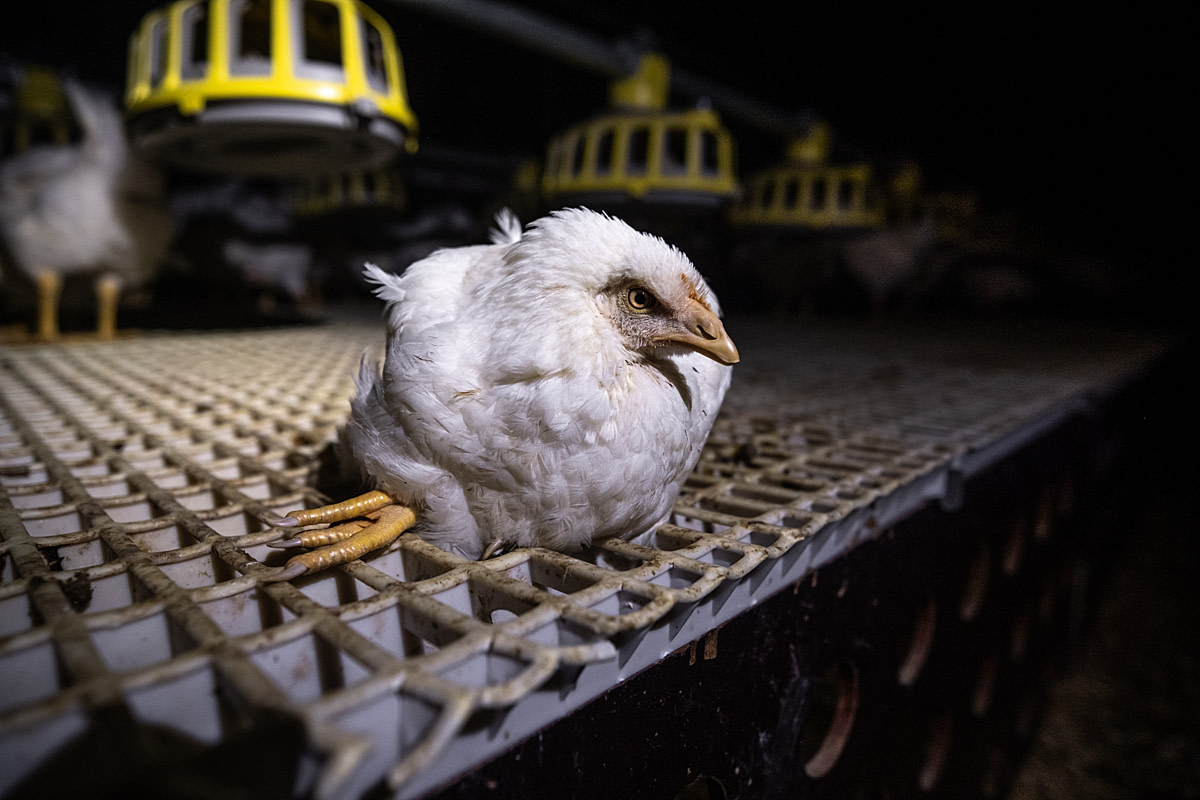

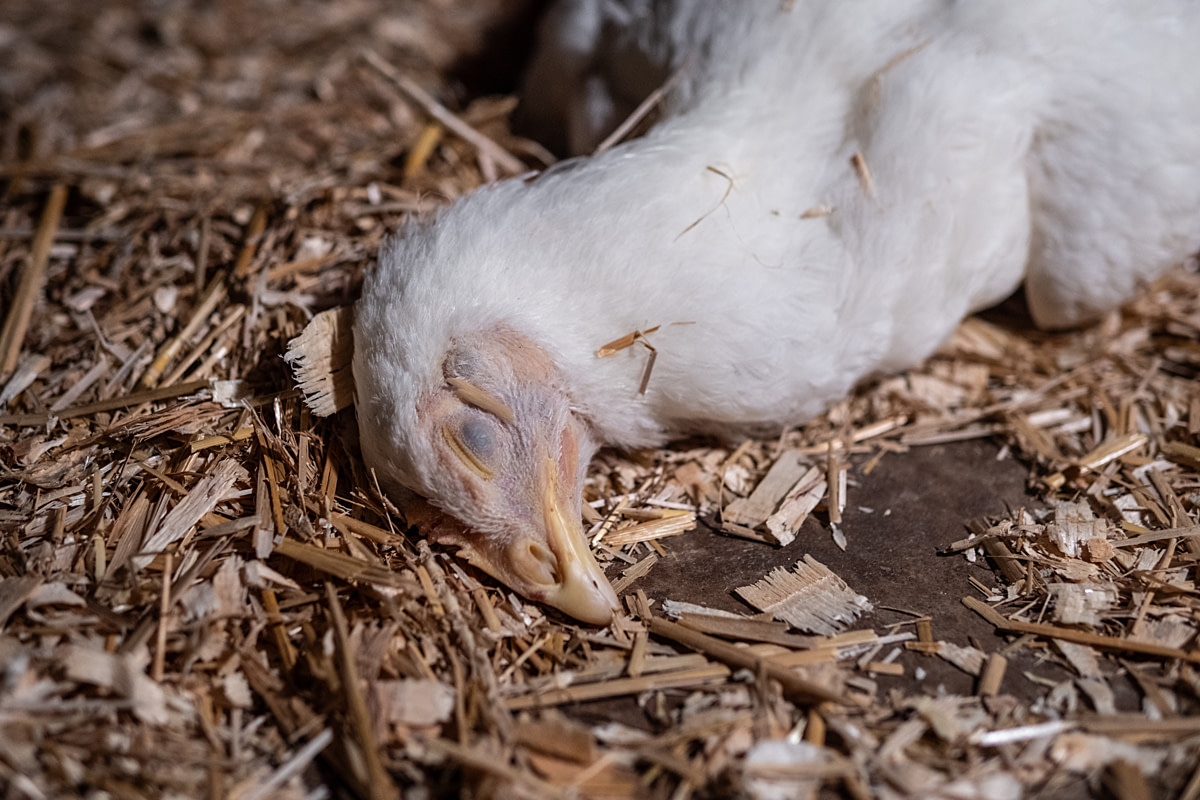
A young hen with a lame leg splayed to one side rests on the feeding platform inside a broiler breeder farm. Undisclosed location, Canada, 2025.
Ira Moon / We Animals
Who pays the cost of animal agriculture?
As a We Animals Fellow, Ira Moon produced a short documentary exploring this question. Through images and intimate interviews, “Permission to Harm” brings viewers into an agricultural community in Ontario, Canada, where human labourers and farmed animals coexist within the same systems of exploitation, highlighting a shared fight for dignity and liberation.
“My Fellowship project culminated in a short documentary called “Permission to Harm,” which lays out the systemic problems with Agricultural Exceptionalism in Canada. The project was then presented at the Canadian Animal Law & Advocacy Conference.” — Ira Moon, 2024 We Animals Fellow
Read on to learn more about Ira’s film and their Fellowship experience.
An Interview With Ira Moon
As an undercover investigator and photojournalist, Ira has worked alongside both human and nonhuman labourers at factory farms and witnessed the exploitation of both firsthand. These experiences and deep participation in other social causes have informed their belief that all issues intersect.
We sat down with Ira to find out about their Fellowship journey.
What did the Fellowship help you achieve?
This fellowship was deeply valuable for me. I started my career in animal photojournalism via undercover investigations eight years ago. The years working alongside human and nonhuman workers in sites of exploitation slowly shifted my understanding of the origins of suffering in animal agriculture. While it was often the hands of low-level workers that inflicted the pain, it was the capitalist extraction of the labour of both human and nonhuman bodies that caused it.
So when the opportunity to apply for a We Animals Fellowship presented itself, I knew it was my chance to really dig into the exceptionalist system of agriculture in Canada, and the ways it impacts everyone on farms. I’m grateful the team trusted me to pursue this unconventional and unpredictable project.
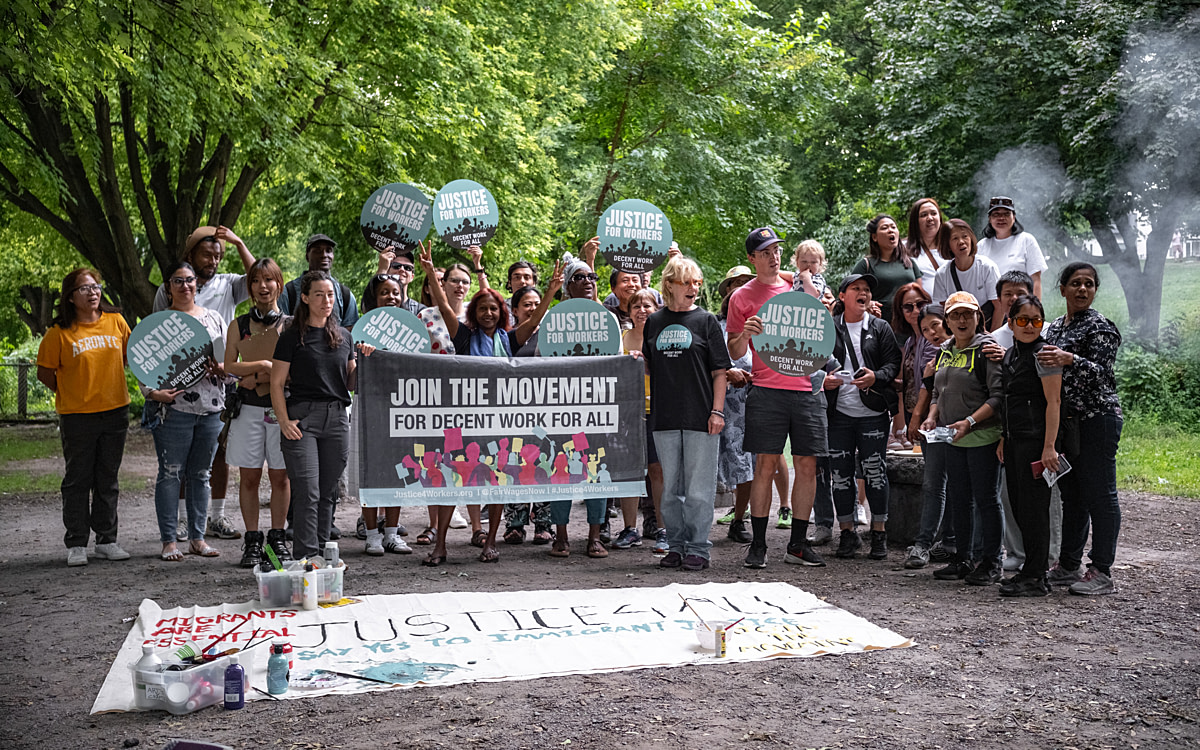
The Fellowship took me across the country, where I met with animal advocates, labour activists, and migrant workers. I documented animals’ experiences on farms, labour demonstrations, and firsthand accounts of what one source called “slavery” under Canada’s Temporary Foreign Worker programs.
This project culminated in a short documentary called “Permission to Harm,” which lays out the systemic problems with Agricultural Exceptionalism in Canada.
Ira Moon / We Animals
What was your experience like in the field during your Fellowship assignments?
Following this story took me across the country and led to many difficult conversations and experiences. Especially meaningful were my conversations that will never be seen: those with migrant workers who were too afraid to share their stories or experiences on-camera for fear of retaliation from their employers.
This was an element of the project I knew would be difficult, but I did not anticipate that it would be the hardest part of it all. I spoke with dozens of migrant workers in the chicken-catching industry, visiting several bunkhouses multiple times with hours of cumulative conversations with workers. These experiences were critical to my understanding of the issue, but not one person felt safe speaking on camera. While some were grateful for the opportunity to work in Canada and to feed their families back home, nearly everyone expressed the same fear that their employers would decide not to renew their contracts, or punish them in other ways, if they spoke negatively about their working or living conditions.
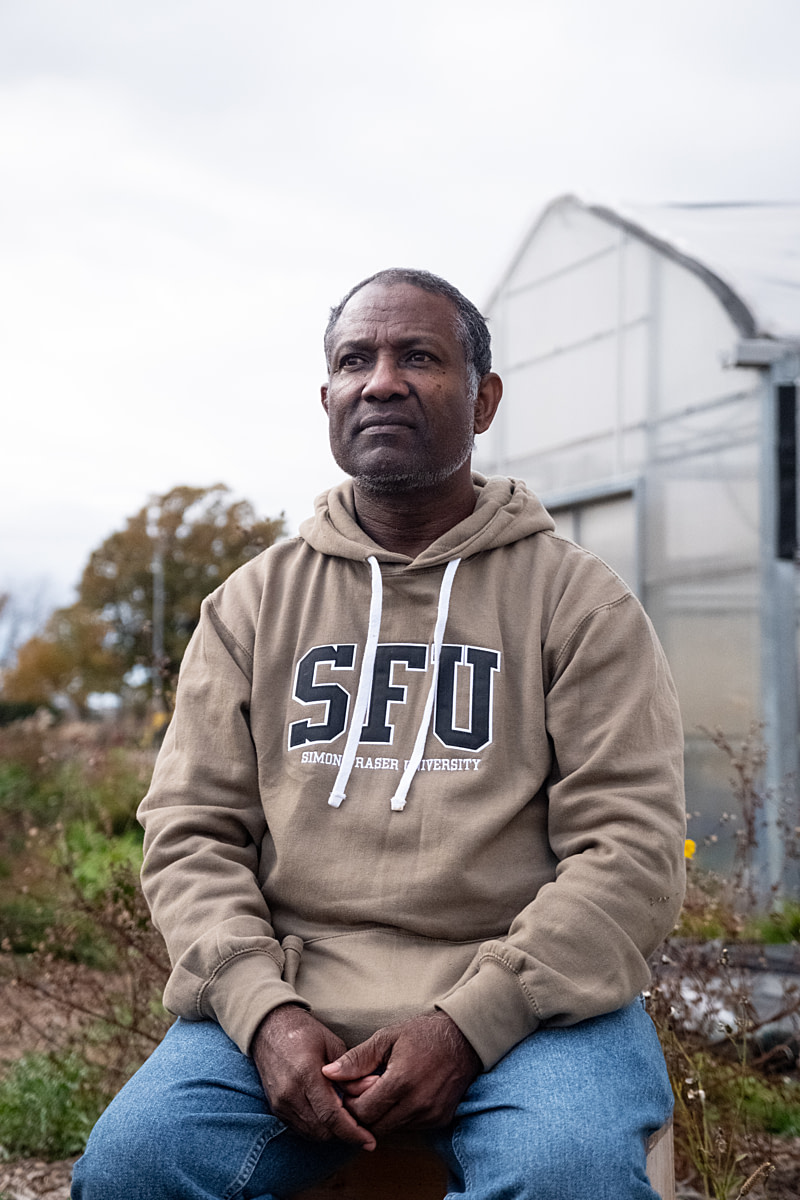
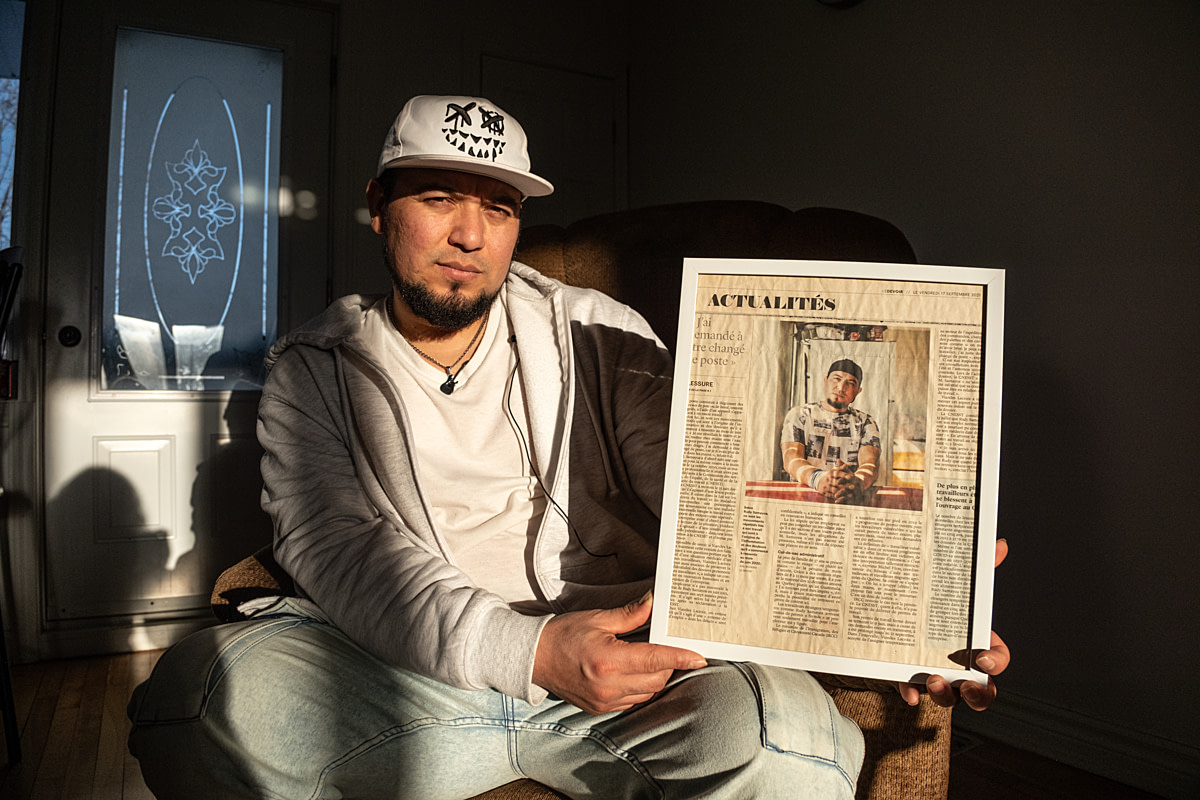
Their safety was paramount, so with their stories as background, I pivoted to working with former migrant workers who have spoken out against Temporary Foreign Workers (TFW) programs. This led me to Gabriel Allahdua, author of Harvesting Freedom, a memoir about his experiences in the Seasonal Agricultural Workers Program. In turn, he introduced me to two other migrant workers-turned-activists, who graciously shared their stories with me.
Ira Moon / We Animals
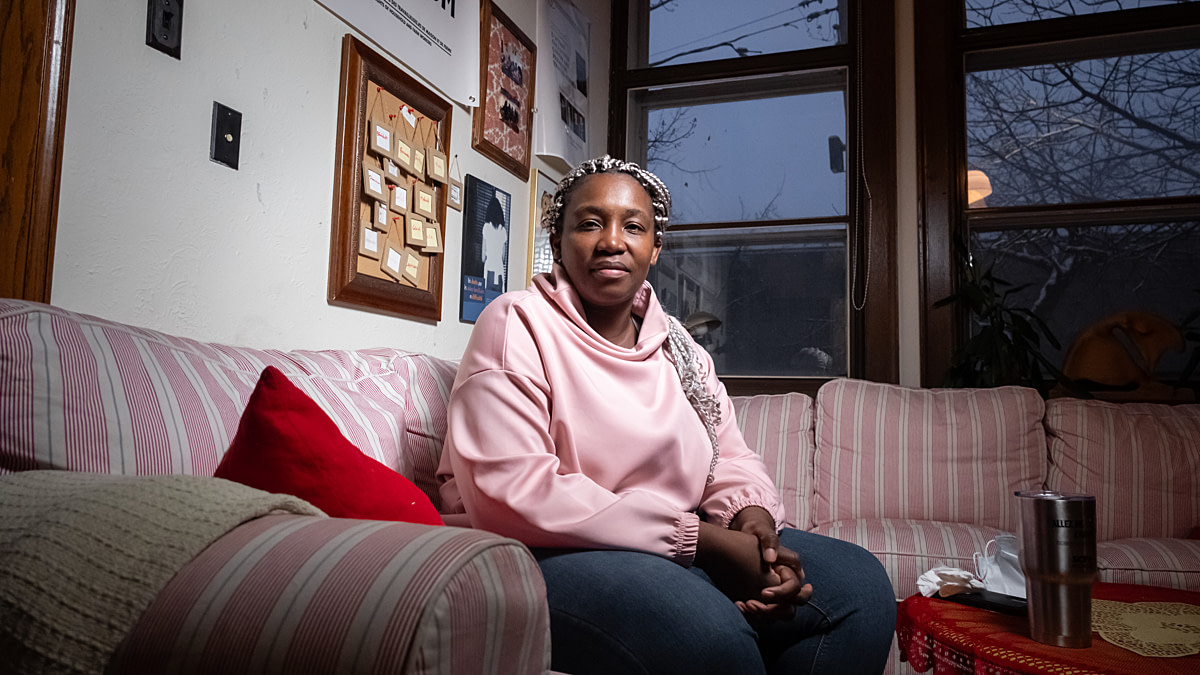
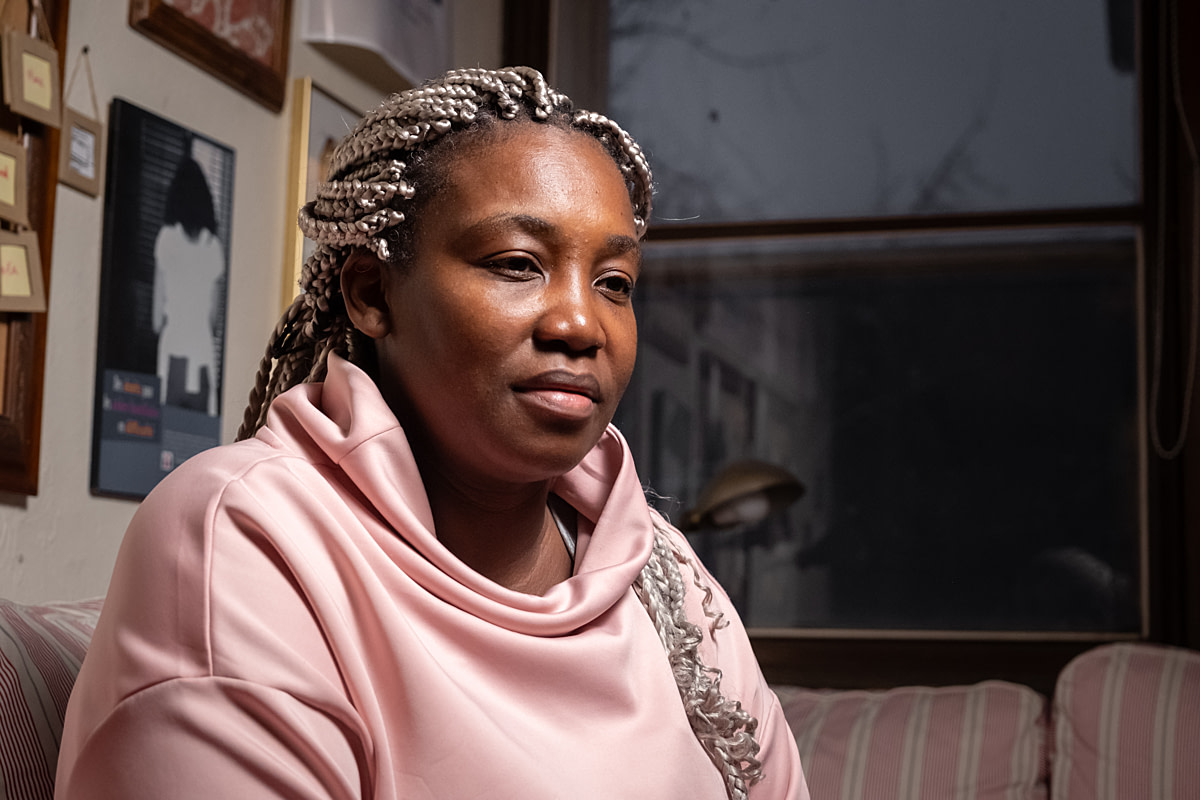
A portrait of Bénédicte Carole Ze a former farmworker and an education and mobilization officer with the Association for the Rights of Household and Farm Workers. Undisclosed location, Montreal, Quebec, Canada, 2025.
Ira Moon / We Animals
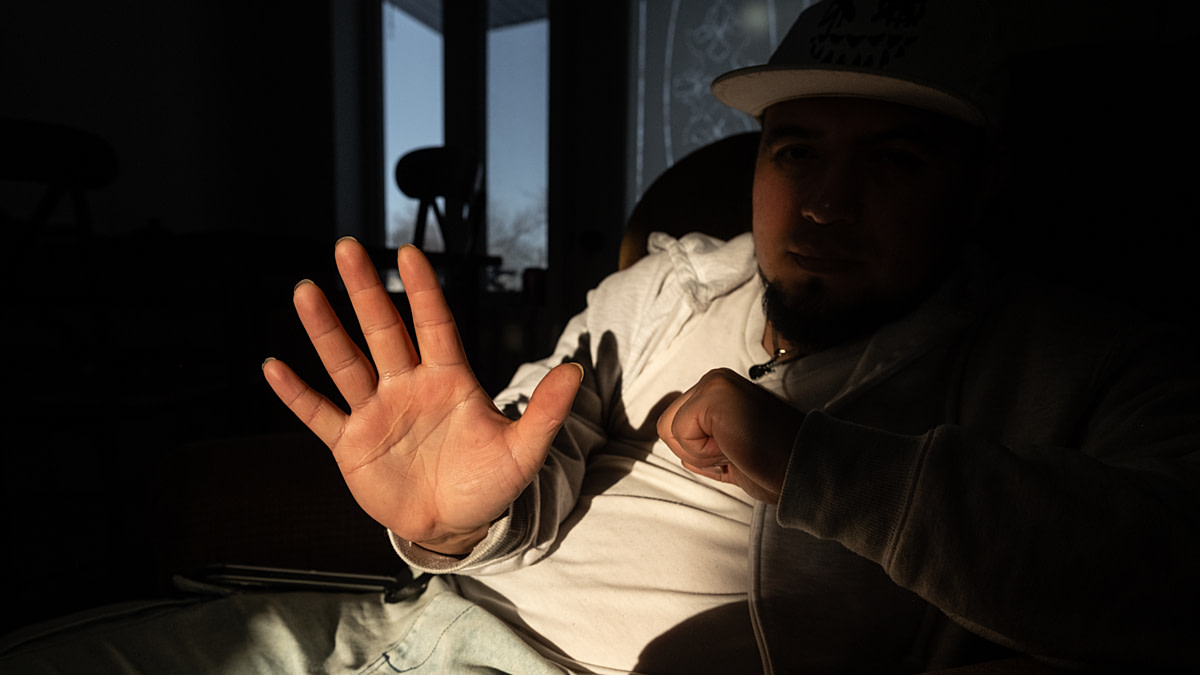
Rudy Samayoa, a former slaughterhouse worker, shows the scars from his hand surgery. Both of Samayoa’s hands were injured by the repetitive task of removing fat from cuts of meat. Undisclosed location, Sainte-Hyacinthe, Quebec, Canada, 2025.
Ira Moon / We Animals
What was your go-to camera bag kit during the Fellowship?
IM: My main camera is a Fujifilm X-H2. Most of the photo and video content for this fellowship was captured with that camera and either my Viltrox 13mm f1.4, Sigma 30mm f1.4, or my 16-80mm Fujinon zoom. For lighting, I used the remarkably portable Zhiyun X100 with a variety of modifiers – usually all carried in my long-serving WANDRD Hexad camera duffel.
How much did you explore image editing during the Fellowship, and what did you learn?
Image editing has always been a part of my work, but this was an area where I really benefited from the eyes and experience of Jo-Anne McArthur and Victoria de Martigny at We Animals. They helped me hesitate less, push images further, and establish a more cohesive look across multiple settings, both in still and moving imagery. This process helped me find a style that is more my own, and it’s already improved my animal photojournalism in other areas.
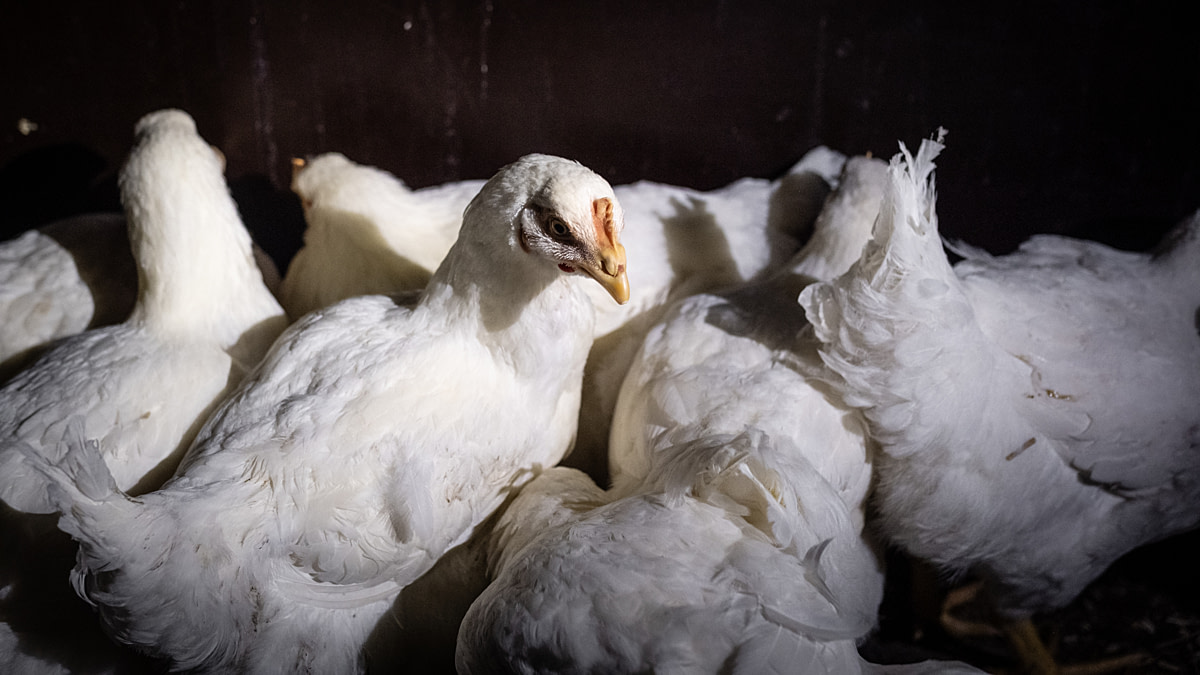
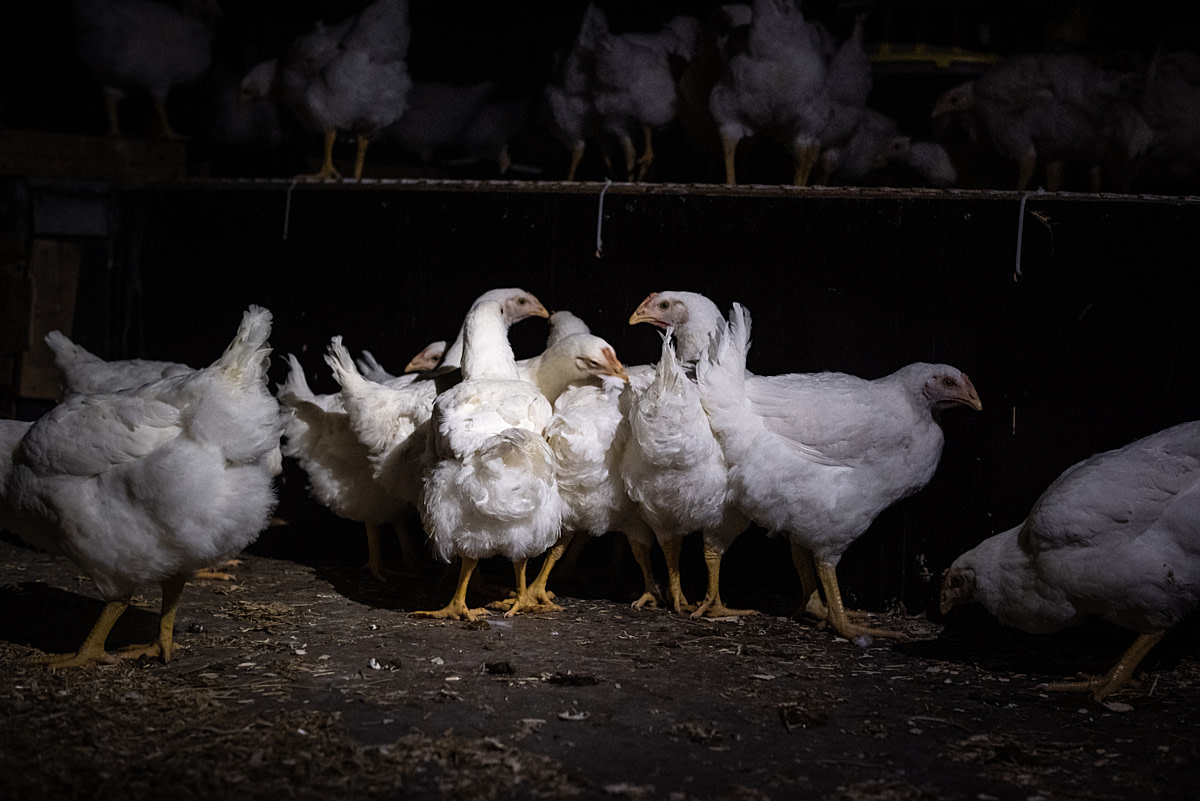
A young hen makes eye contact while standing huddled together with her peers on the floor of a broiler breeder farm. Undisclosed location, Canada, 2025.
Ira Moon / We Animals
Ira Moon / We Animals
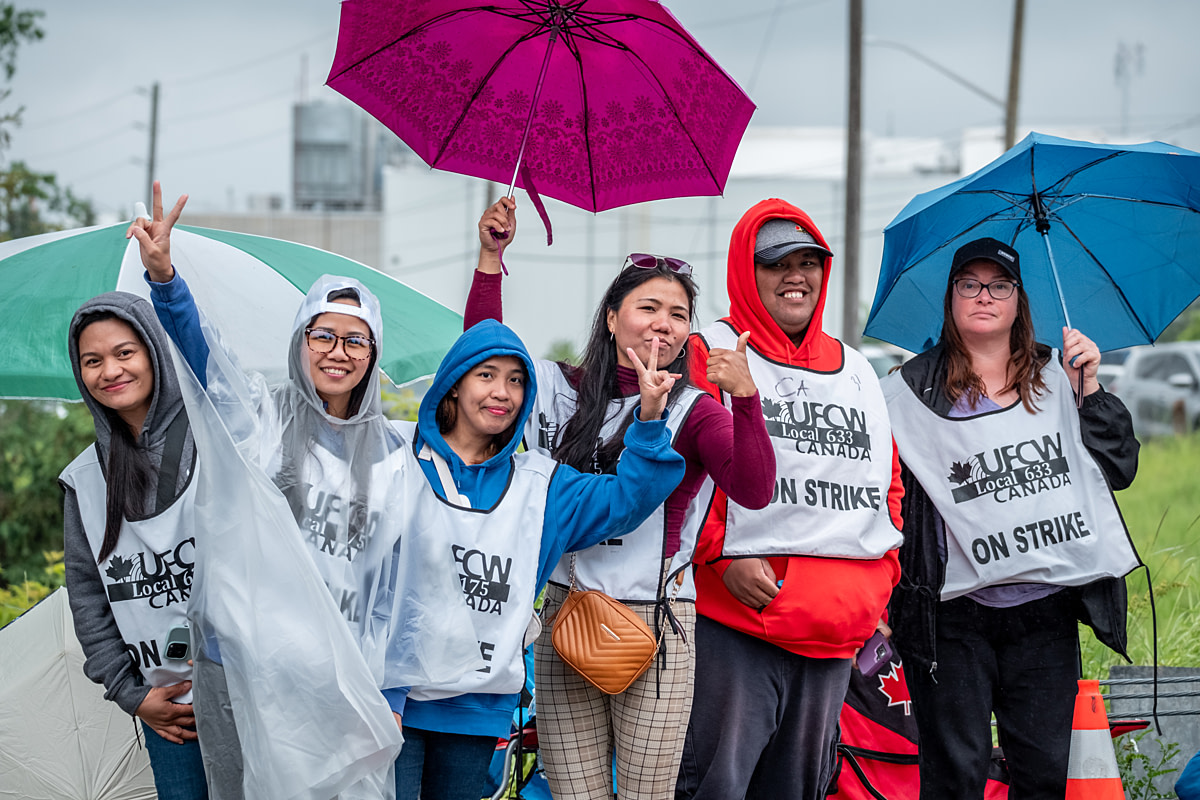
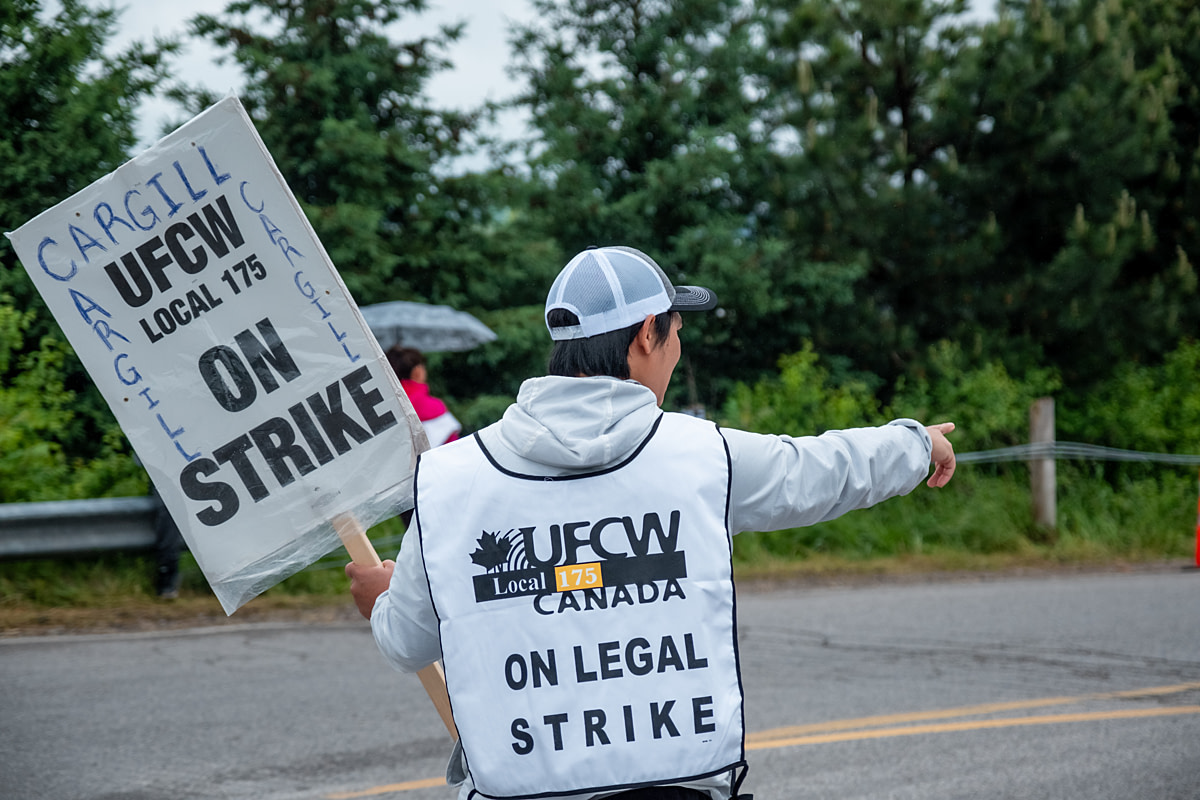
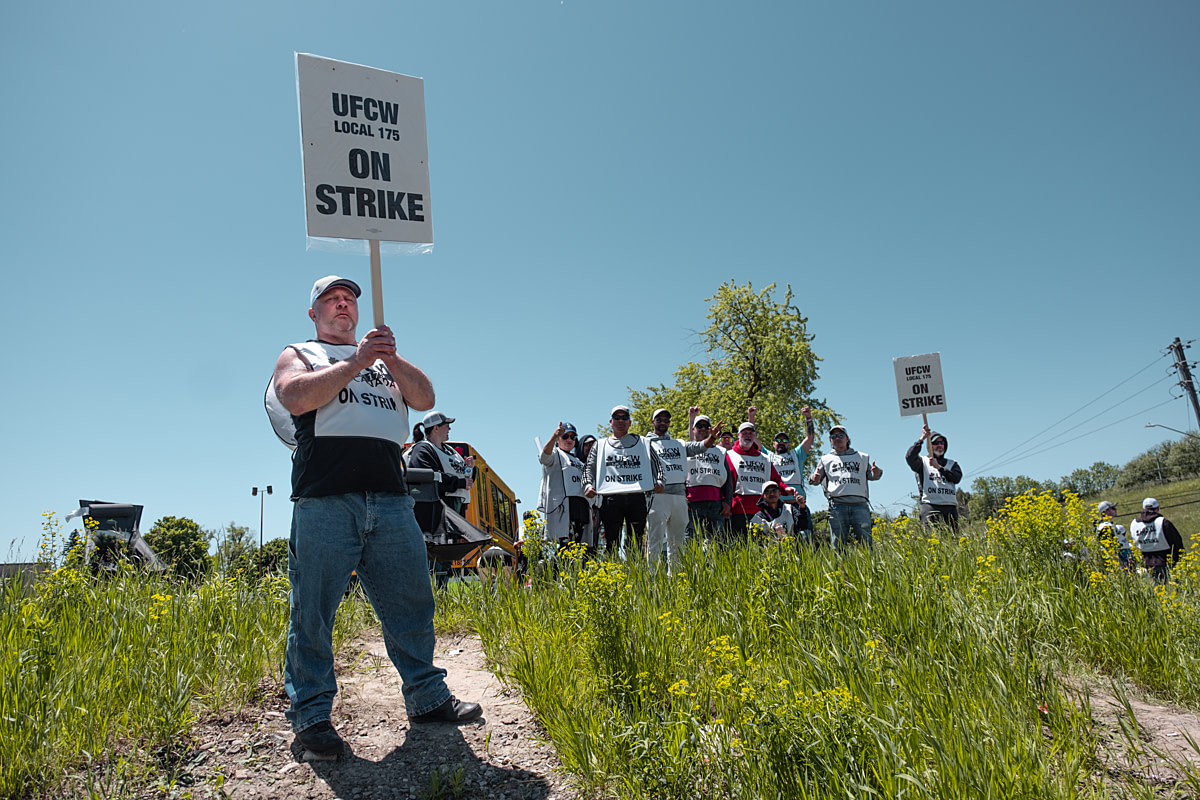
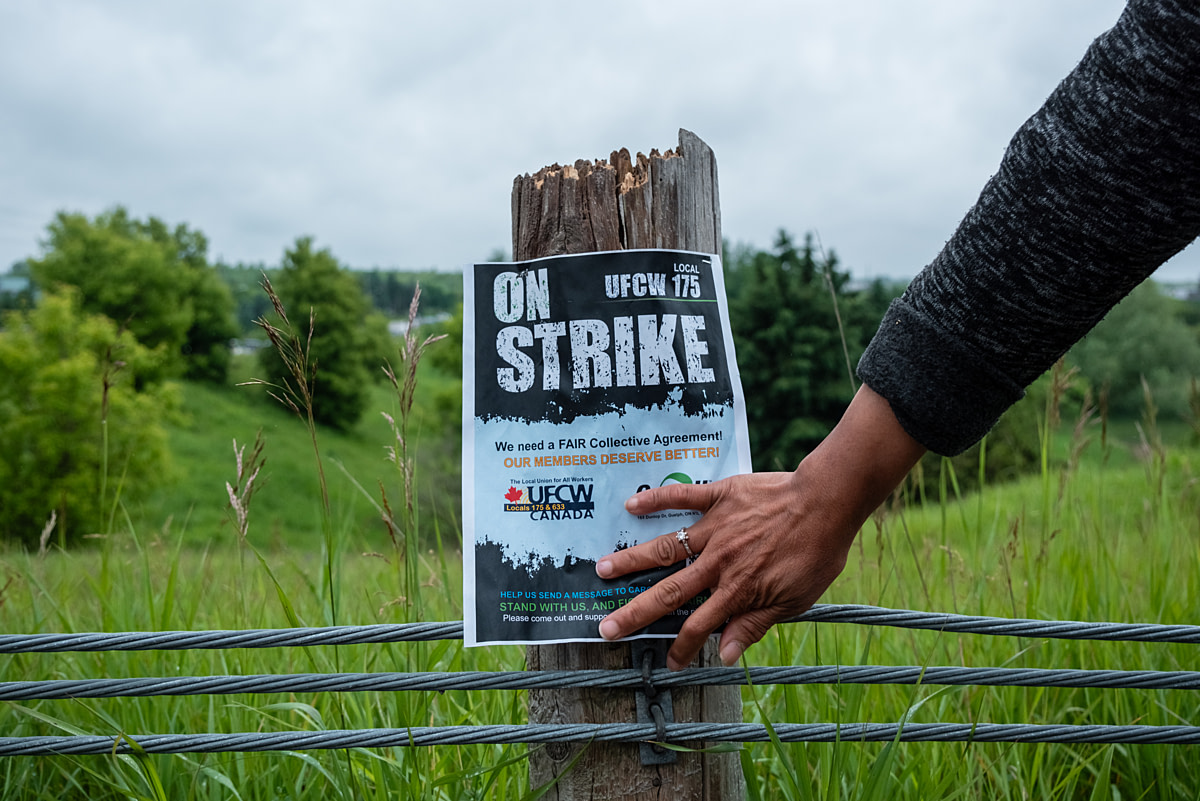
Workers from a Cargill, Inc. cattle slaughterhouse gesture and smile while picketing during a strike for better wages and conditions at the facility. Guelph, Ontario, Canada, 2024.
Ira Moon / We Animals
If you have a project close to your heart and are willing to put in the effort to pursue it, the We Animals Fellowship is an incredible resource. Animal photojournalism is an exciting and important field, and the We Animals team is great at fostering thoughtful and evocative image-makers. Apply!
What’s next for you in your work? Are there any other animal stories you’re particularly compelled to document?
I’ll be carrying my lessons from the fellowship into my work with Animal Justice and passing my learnings along to our other investigators. We have a number of projects in the works, but not many I can talk about. As for personal projects, I’m interested in finding new spaces where humans use animals in surprising ways. I once worked on an animal trapping project outside of Canada, and I’d be interested in exploring that again in the Canadian context.
Where can people view and follow your work?
I’d invite anyone to follow my work with Animal Justice at animaljustice.ca or @animaljustice_ on Instagram. I post my personal projects on Instagram at @ira.moon.photo, where I’ll also share upcoming screenings of “Permission to Harm”.
Is there anything else you’d like to add about your time on We Animals’ 2024 Animal Photojournalism Fellowship?
I’d like to express my gratitude to all the workers and activists who spoke to me about their experiences, whether on camera or off. Their stories of resilience and compassion are what made the project possible, along with the We Animals team.
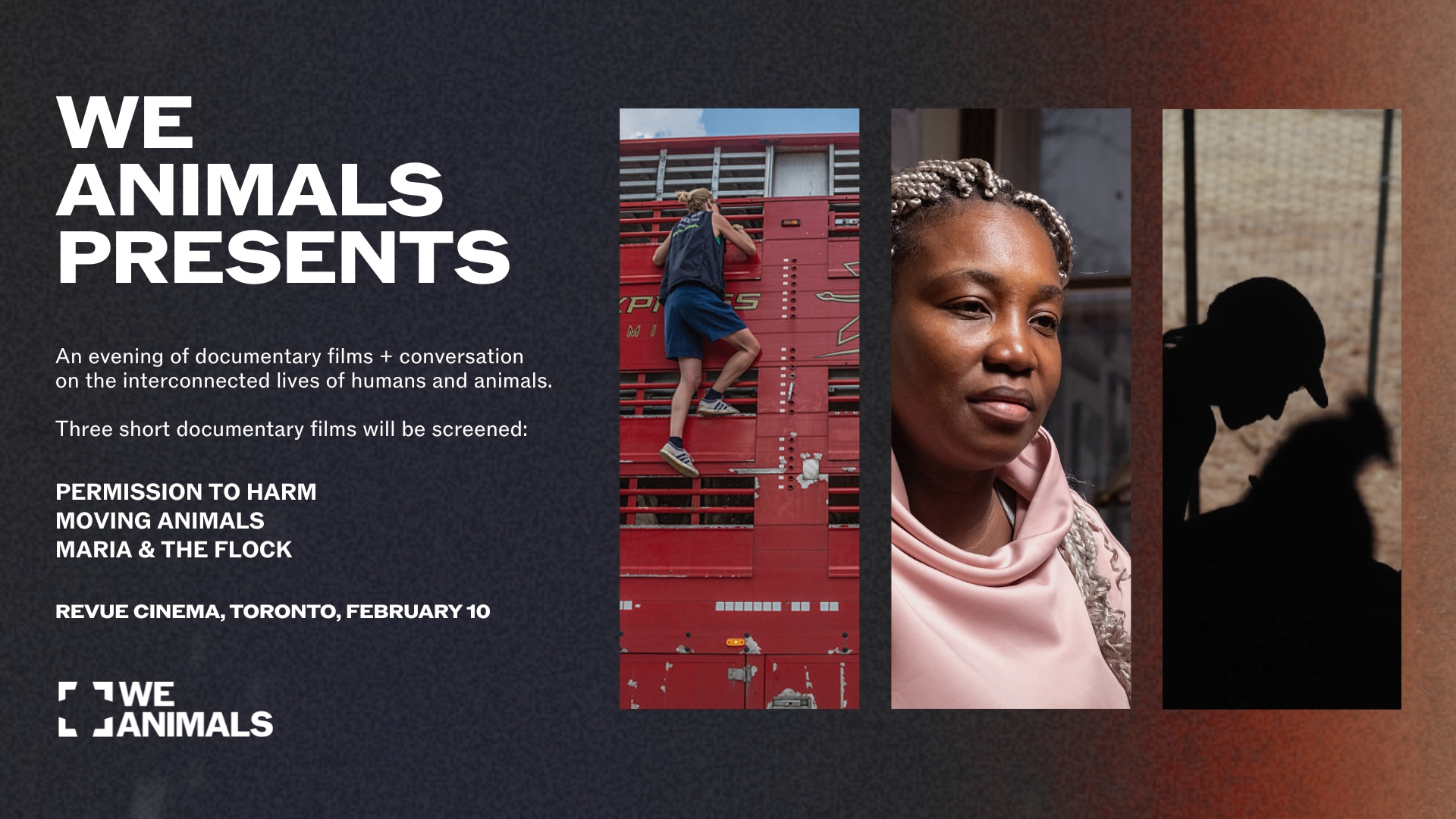
We Animals Presents An Evening of Films & Conversation
On February 10, we premiered Permission to Harm (Ira Moon, 2025) alongside another new We Animals film, Maria & The Flock (Austin Meyer, 2025), at the iconic Revue Cinema in Toronto.
You can now watch both films on YouTube!
Applications to the We Animals 2026 Animal Photojournalism Fellowship are now open! Learn more and apply.
Explore and download Ira’s Fellowship visuals via our stock platform.