
Photo Credit: Isa Brant
A highway cuts through the Amazon rainforest. From above, it resembles the spine of a fish—thin at first, then branching outward into a network of smaller roads, like ribs, that splinter the forest into fragments. As trees are cut down along these edges, pastures expand for cattle farming.
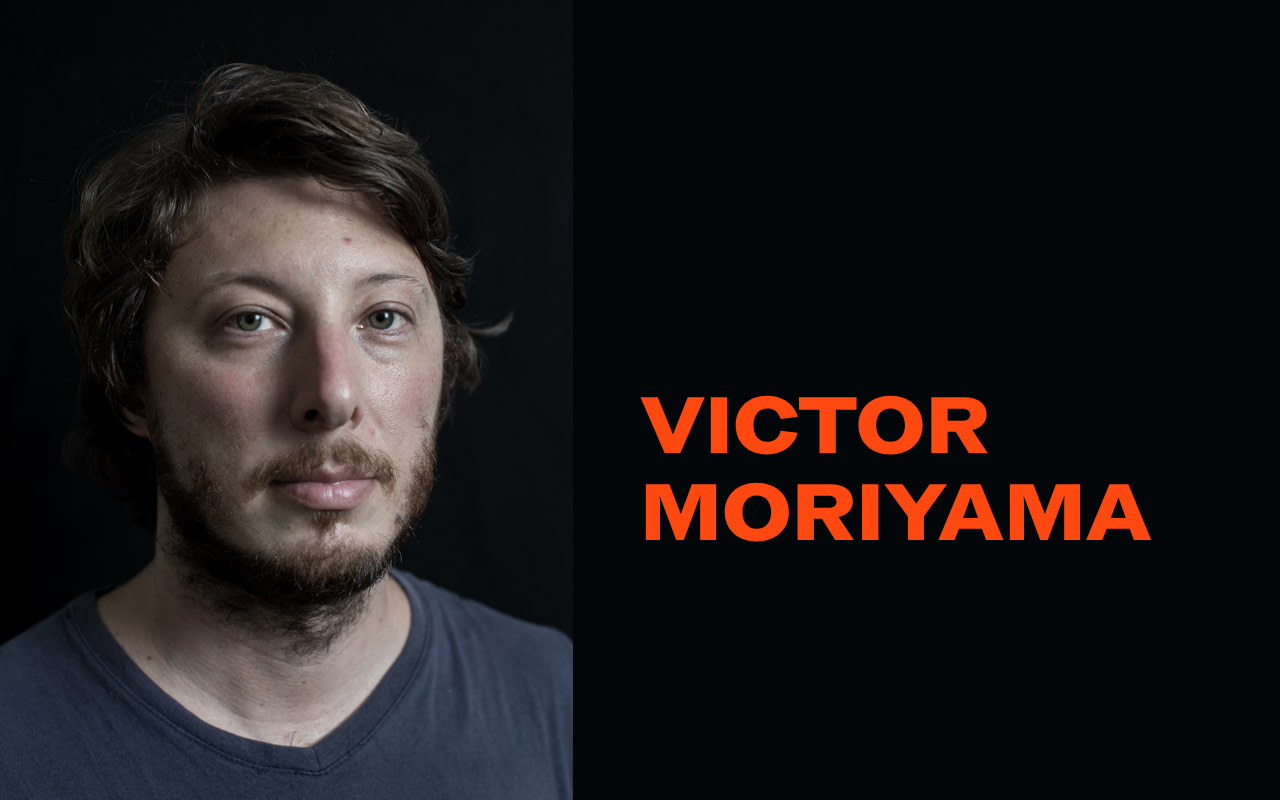
This pattern is known as the fishbone effect. And for the past decade, Victor Moriyama has been documenting what follows. Now, We Animals is proud to introduce Victor as our 2026 Senior Animal Photojournalism Fellow.
Victor is a Brazilian documentary photographer whose work examines the intersection of environmental destruction, power, and socio-environmental justice in the Amazon. For more than a decade, he has documented the consequences of colonization and development in the region—from land conflicts and deforestation to rights violations and climate instability—tracing how these forces shape human and animal lives. Working across the Brazilian Amazon and Latin America, he has produced reporting for The New York Times, where he is a regular contributor, and National Geographic. Across his work, animals play a central role in the visual narrative.
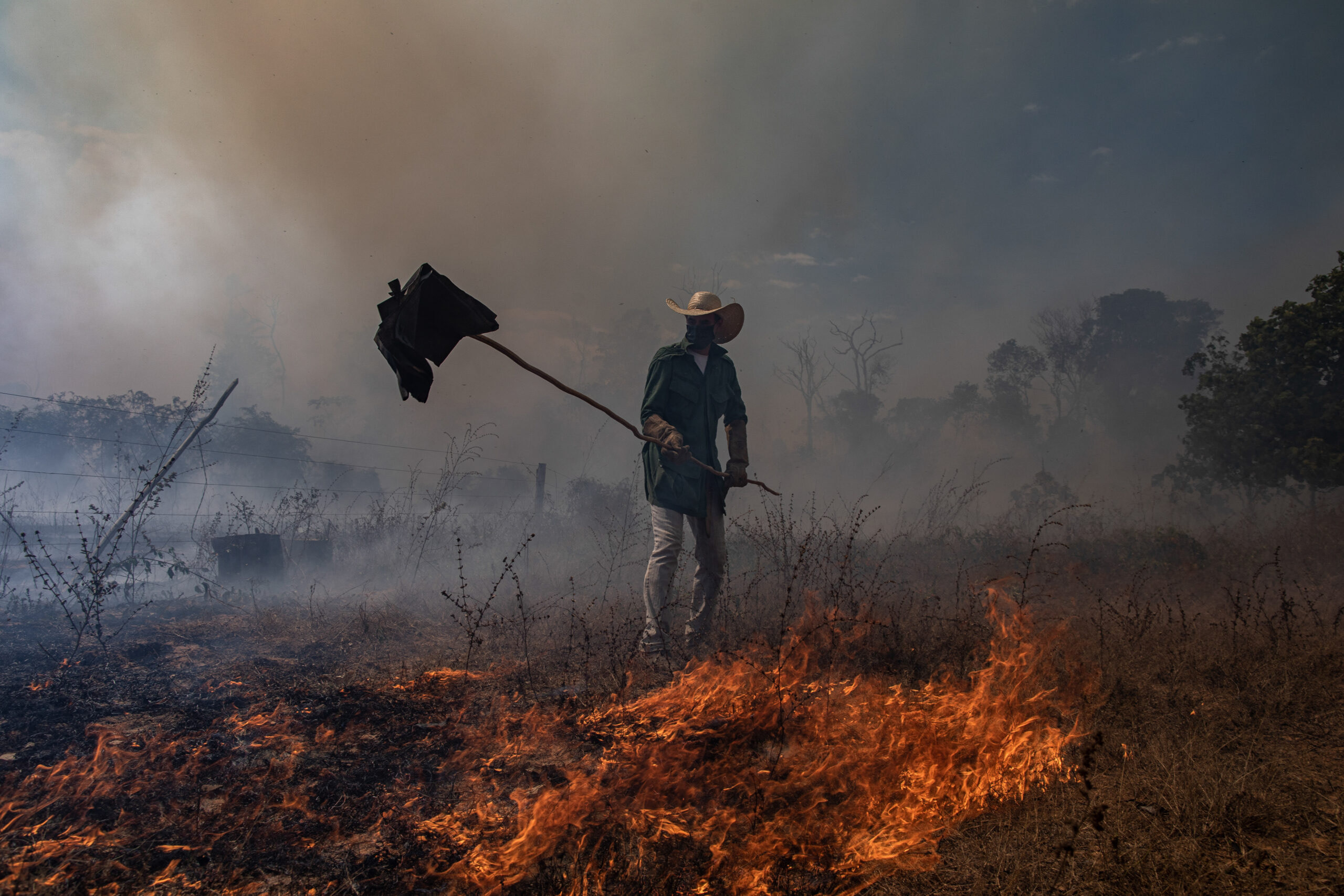
A local resident tries to put out an illegal fire burning in an environmental reserve in the Amazon rainforest. Undisclosed location, Mato Grosso, Brazil, 2020.
Victor Moriyama / We Animals
“The Senior Fellowship awarded by We Animals is the first grant I have received in my career, and it will be essential for furthering my research on the climate emergency in the Brazilian Amazon and the complex socio-environmental relationships that define it. We Animals’ support comes at a turning point in my career, as I am now focusing on my long-term personal projects. The fellowship is a unique opportunity to deepen the global debate on the intrinsic relationship between Amazon deforestation, the climate emergency, and global beef consumption.” ― Victor Moriyama, Senior 2026 Animal Photojournalism Fellow
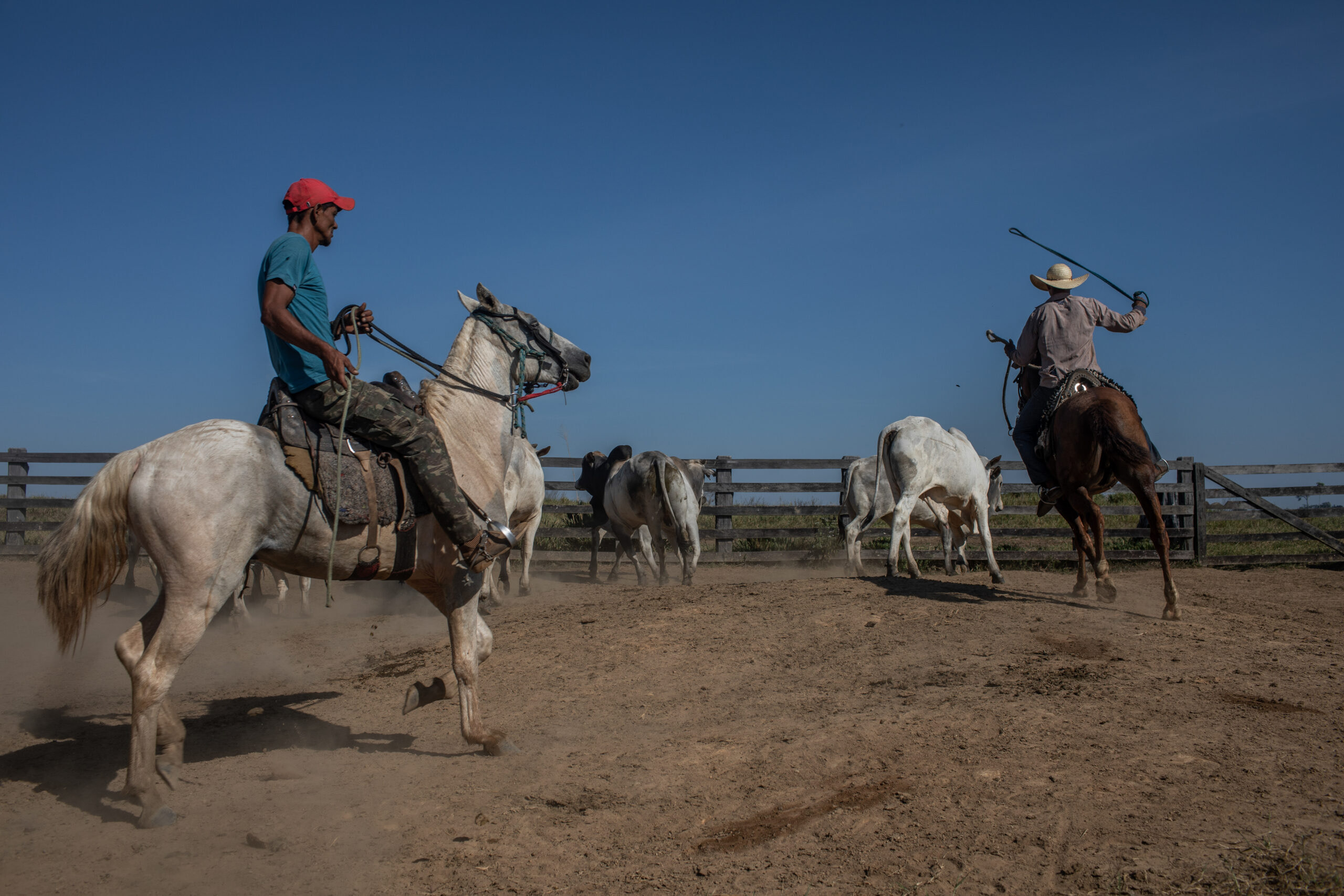
Vaqueiros (cowboys) round up cattle for loading onto transport trucks at a farm located within a protected reserve. Farms in protected areas are illegal but there is little oversight by the Brazilian government. Undisclosed location, Rondonia, Brazil, 2021.
Victor Moriyama / We Animals
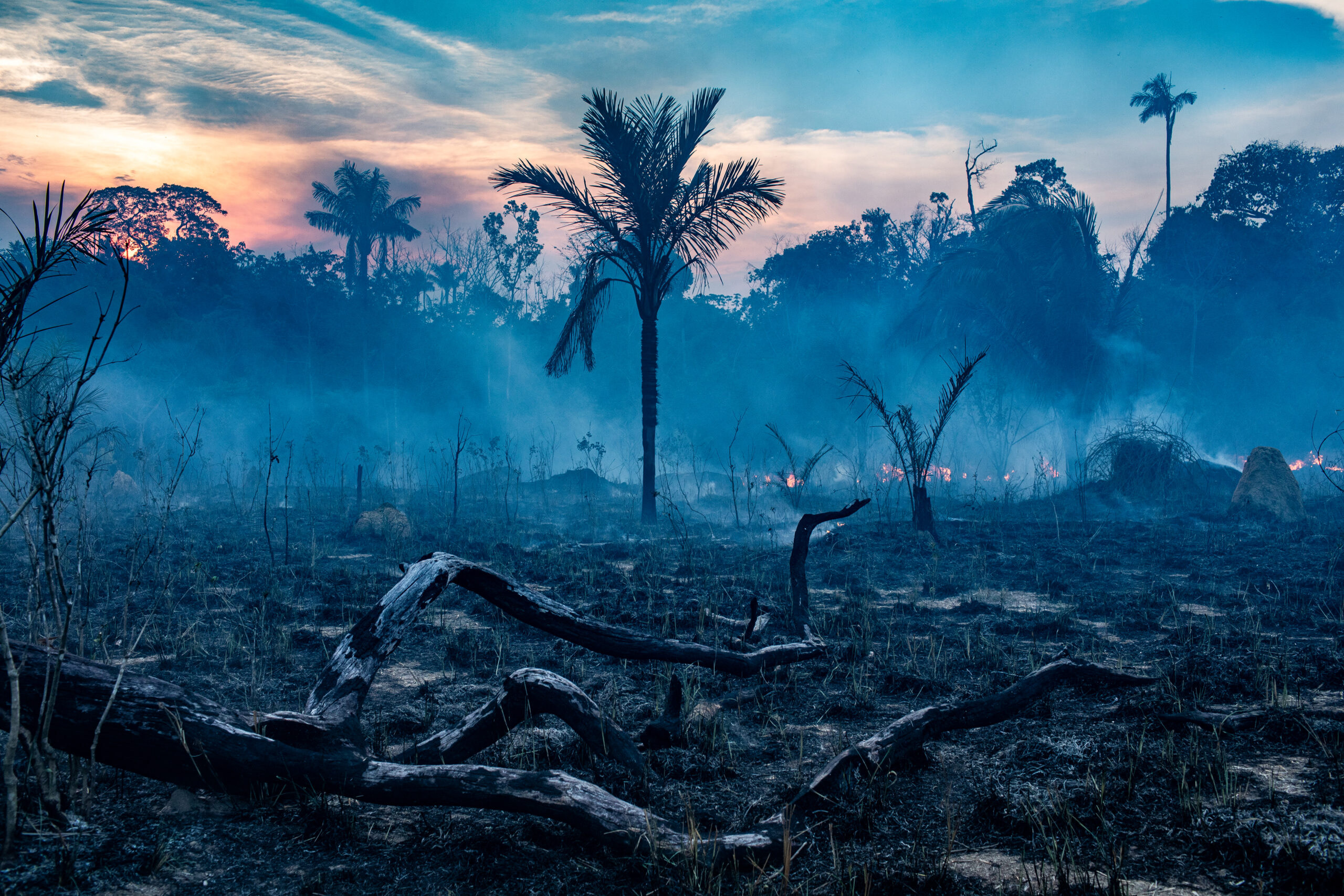
A burning pasture at a cattle farm also burns a neighbouring forest area. Farmers from the Amazon region have historically set fire to their pastures to clear the area before the grass sprouts. Brazil’s National Institute for Space Research reported a more than 80% increase in fires in the Amazon rainforest from January through August 2019 compared to the same period in 2018. Undisclosed location, Mato Grosso, Brazil, 2019.
Victor Moriyama / We Animals
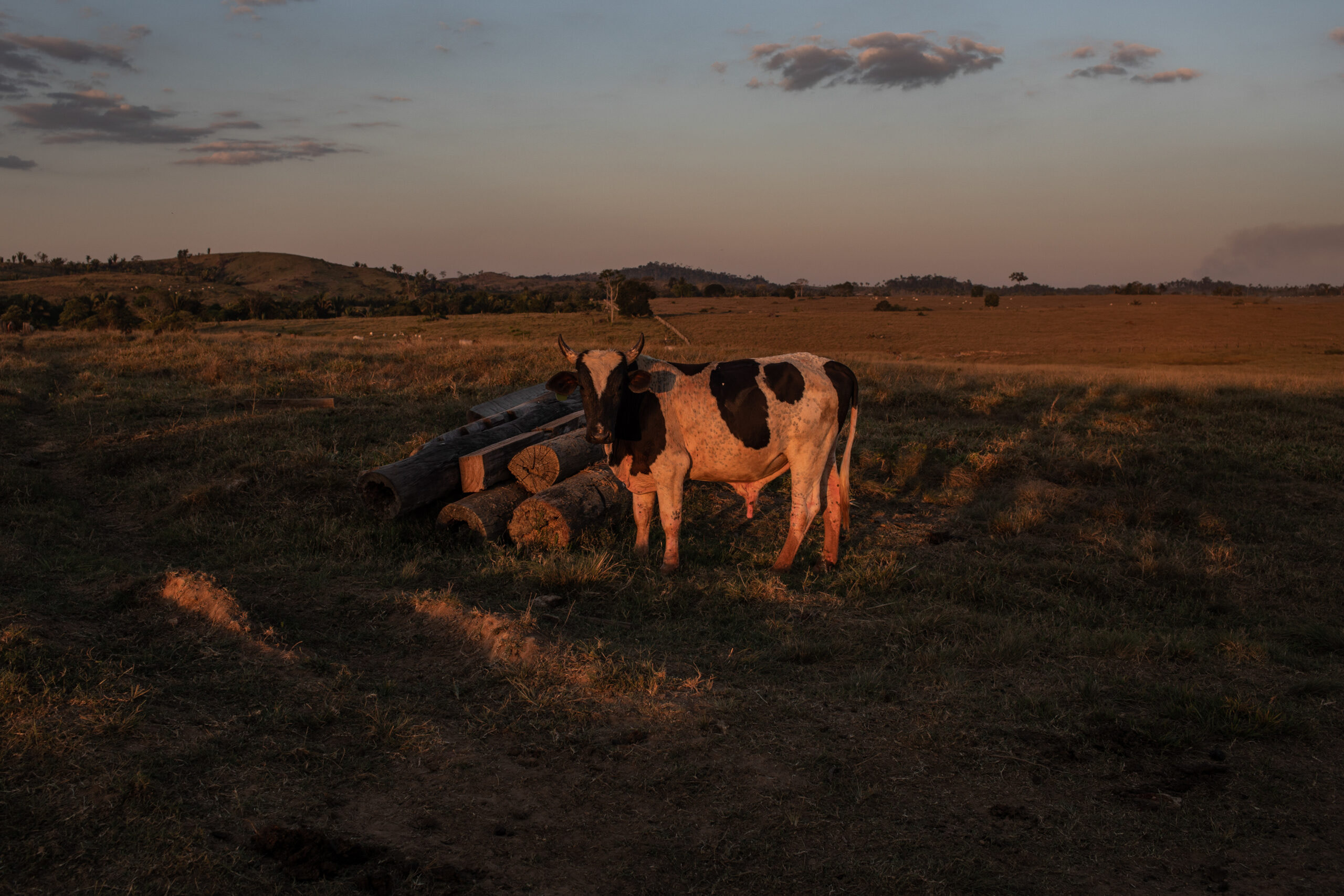
A cow makes eye contact from a farm field in Rondonia, a primary beef-producing state in Brazil’s Amazon rainforest. According to the farmer, he sold cattle to a major meat producer for eight years but recently received a fine for deforestation and says the company has blocked purchases from his farm. Undisclosed location, Rondonia, Brazil, 2021.
Victor Moriyama / We Animals
As our 2026 Senior Fellow, Victor will turn his lens to Brazil’s immense cattle industry. Nearly half of Brazil’s cattle herd is raised in the Amazon. Victor’s project will document the entire production chain from irregular farms and pastures to slaughterhouses, transport routes, and global export markets.
But this is not only a story about industry. His project will also situate cattle ranching within a rapidly changing ecosystem and examine the expansion of the rural cattle-ranching culture in the Brazilian Amazon.
For his project, Victor will work in the city of São Félix do Xingu, in the Brazilian state of Pará, a municipality that is home to the country’s largest cattle herd and the most meat-processing plants. The Fellowship honorarium of $7,000 CAD will cover project costs and a stipend for the duration of the project.
Subscribe to our newsletter or follow us on social media to stay updated with our Fellows’ projects.
Did you know? Our stock platform offers 40,000+ photos and videos of animal issues around the globe. Non-commercial (free) and commercial licensing available.